

One phrase that has followed me through most of my guiding career — and long before that — is, “according to the forecast.” Now, it’s not that I expect forecasters to get the weather and wind right every single time. That’s why I always build a little wiggle room into my daily plan, just in case conditions don’t hold the way they’re supposed to.
When you’re planning a day on the salt water, the weather and wind forecast are always part of the equation. That’s just a given. What really matters is what you do with that information. That’s what can make your day a success — or turn it into something a little less favorable.
Guiding anglers and trying to put them on their personal best is a tall order. Still, I’ve been fortunate to host many groups over the years where we did exactly that. Of course, there are also trips that make you want to hide your head, and those are the days when the old standby phrases come out: “Well, you should’ve been here yesterday,” or “The bite must just be off today.”
But one thing I know for certain: not a single guide I know fails to give everything he or she has to make that day on the water the very best it can be. If a trip doesn’t end exactly the way the guests hoped, it usually isn’t because of a lack of planning or effort. More often than not, it’s just one of those rare anomalies — a tough day wrapped in circumstances you can’t always control.
Still, it’s worth remembering: there really are no bad days. Just days that could’ve been a little better. Or, as we like to say, a bad day fishing is still better than a good day working.
Reading Between the Lines of a Forecast
A forecast is a starting point, not a guarantee. Over the years I’ve learned that the numbers on the screen rarely tell the whole story. A forecast might say fifteen knots out of the southeast, but what matters more is how fast it gets there, how steady it holds, and what the water was doing the day before.
Guides spend as much time reading what isn’t in the forecast as what is. If the wind is predicted to jump mid-morning, I’m already thinking about protected shorelines, back lakes, or marsh drains where that same wind might actually help position bait. Sometimes the forecast is telling you where not to go — and that can be just as valuable as telling you where to start.
Five Things I Watch Beyond the Forecast
The forecast gives you the outline, but these five things often determine how the day really unfolds.
Wind Direction vs. Wind Speed
Speed gets all the attention, but direction can matter more. A moderate wind pushing into a shoreline can concentrate bait and create a feeding zone, while the same wind blowing water out of an area can scatter fish quickly.
Water Movement
Tides don’t always behave exactly like the chart predicts. When water starts moving through drains, cuts, or along drop-offs, fish will often position themselves to take advantage of that current.
Bait Activity
Bait rarely lies. Nervous mullet, shrimp popping, or birds working can reveal feeding activity even when conditions look less than ideal.
Water Color
Wind and tides can churn water quickly, but cleaner water nearby can hold fish. Sometimes a short run to find better water clarity makes all the difference.
Barometric Pressure Changes
Pressure shifts often trigger feeding windows. Fish frequently become more active just before or during a weather change.
When the Forecast Gets It Wrong
I remember one particular trip where the forecast and reality decided to go their own separate directions. The prediction called for south winds blowing around 15-18 mph early in the morning, with those winds supposed to drop by about four miles per hour each hour before a front arrived roughly four hours later. Looking at that forecast the night before, I remember thinking, Perfect. I can work around that.
The plan was simple. Fish protected water early while the wind was still up, then slide out and work more open areas as things gradually settled down before the front arrived. At least that was the plan.
Instead of dropping four miles per hour each hour, that stubborn south wind did the exact opposite. It increased by about four miles per hour every hour. What should have been a gradual calming trend turned into the wind building stronger and stronger as the morning went on.
By the time the front got close, we had seen about a twelve-mile-per-hour swing in the wrong direction. Water that should have been fishable became churned up, boat control got tougher, and areas I had planned to fish later in the trip were completely off the table. In the end, I made the call to head in early.
No guide likes cutting a trip short, but sometimes the smartest decision on the water isn’t forcing a plan that no longer works. Conditions changed, and safety and comfort for the anglers always come first.
That day served as a reminder of something every captain eventually learns: forecasts help you plan the trip, but they don’t guarantee the conditions you’ll actually fish in. The real job begins when the water starts doing something different than what the forecast promised.
When a Window Opens
Not every forecast that looks bad turns into a bad day. I remember another trip where the weather was predicted to make fishing nearly impossible. The front was supposed to arrive early, the wind was expected to howl, and most folks would have probably written the day off before ever leaving the dock.
Still, experience has taught me that sometimes the weather gives you a small window if you’re ready for it. Just in case that opportunity showed up, I stopped on the way and picked up some live shrimp at the last minute. They stayed in the well most of the morning while we worked through the conditions and waited to see what the weather would actually do. Then something interesting happened. The front stalled.
It didn’t stall long, but it stalled just enough to give us a short window where the wind laid down and the water settled. When that happened, we made our move to one last stop I had in mind. That’s when those shrimp finally came into play.
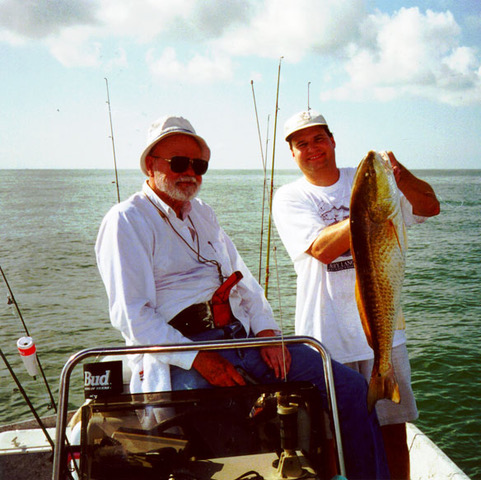
Within a short time we were catching fish steadily, and before it was over we had boxed limits of redfish along with a few solid black drum to round out the catch.
It turned into one of those trips that reminds you how quickly things can change on the water. A day that started with a forecast that looked almost impossible ended with a boat full of smiles and a good box of fish. Sometimes preparation meets opportunity.
And as the old saying goes, I’d rather be lucky than good — but it sure helps to be ready when luck shows up.
Closing Thought
Forecasts will always be part of planning a trip, but they should never dictate the outcome of the day. The real difference lies in preparation, adaptability, and the willingness to think a little outside the box when conditions change.
Because in the end, the goal isn’t just to follow a forecast. It’s to find the fish anyway.